Control 5 Demolition Cost Drivers for Procurement Managers
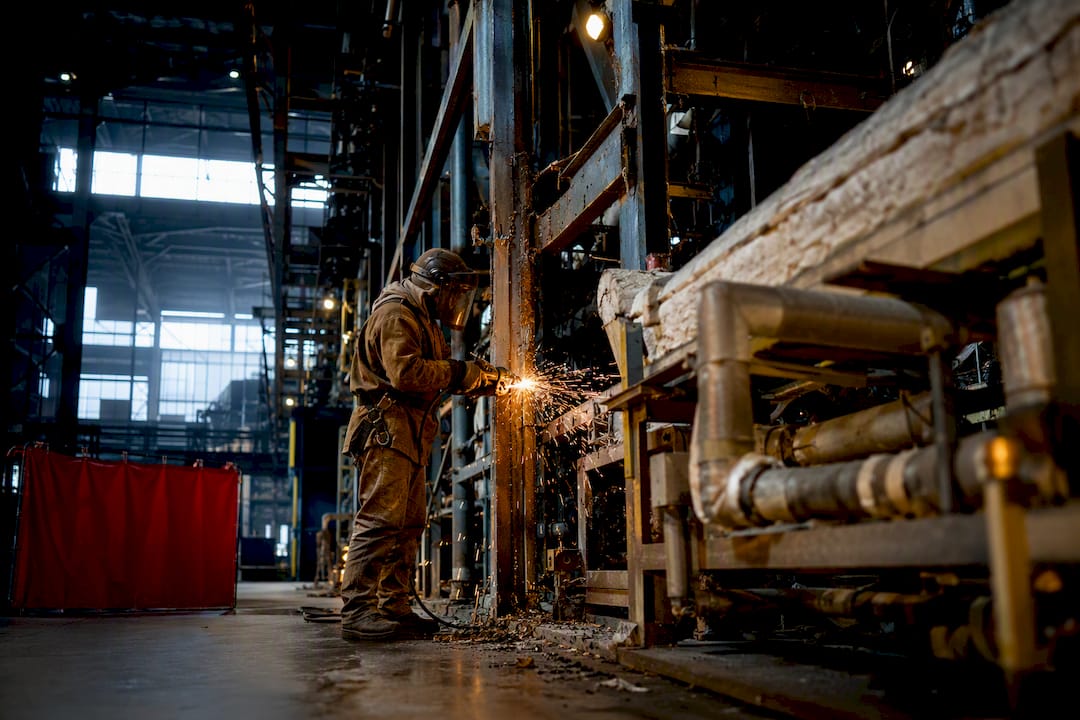
For commercial, industrial, and marine demolition, total cost is driven mainly by scope and method, hazardous-material handling, mobilization and equipment day-rates, disposal logistics, and schedule sensitivity. Control those five and you control most of the budget. The procurement move that matters most: require a site inspection, a written AFE with explicit assumptions, and a real contingency line before you compare a single bid.
TL;DR:
- Proper site inspections and detailed AFEs with assumptions are critical for accurate demolition bids, especially for complex or hazardous projects.
- Costs vary significantly based on scope, hazardous material handling, mobilization logistics, and schedule, with marine and remote jobs incurring higher rates.
- Building a structured, line-item estimate with clear contingency and assumption documentation reduces the risk of cost overruns and hidden charges.
- Market factors such as scrap prices, fuel costs, and disposal capacity heavily influence demolition pricing from year to year.
- Thorough geotechnical and structural surveys before bidding prevent unexpected delays and expenses during demolition.
Table of Contents
- What Are the Main Demolition Cost Factors?
- How Do You Build a Defensible Demolition Estimate?
- Procurement Checklist for Demolition and Decommissioning RFPs
- Managing the Risks That Actually Cause Overruns
- How Geotechnical Surveys Change Demolition Complexity
- What Does Site Restoration Cost After Demolition?
- Insurance, Bonds, and Liability on Demolition Projects
- How to Evaluate and Select a Demolition Contractor
- Why Do Demolition Costs Fluctuate Year to Year?
- Cornelius Wrecking’s Perspective on Cost Transparency
- Request a Site Inspection and AFE From Cornelius Wrecking
- Sources
What Are the Main Demolition Cost Factors?
Every demolition estimate is really a stack of separate cost problems wearing one price tag. Pull them apart before you evaluate a bid, or you’ll compare numbers that don’t mean the same thing.
Scope and method set the floor. Selective demolition (cutting out one process line inside a live plant) costs differently per square foot than a full structural teardown, and marine or plant decommissioning adds engineering review that a warehouse knockdown never touches. A partial demo inside an operating facility often costs more per unit than a complete raze, because crews work around live utilities, adjacent tenants, and production schedules instead of just leveling everything at once.
Hazardous materials and abatement reshape the whole job. Asbestos, lead paint, and contaminated soils don’t just add a line item. They add regulated handling procedures, licensed disposal routes, and sometimes weeks of survey and permitting before demolition can even start. A building with asbestos-containing materials in the roofing and pipe insulation can incur abatement costs that rival the demolition itself, especially when friable material requires full containment.
Mobilization and equipment move the needle harder on remote or marine jobs than almost anything else. Getting a heavy-lift crane, barge, or specialized cutting vessel to a site is often quoted as a day-rate, and that rate multiplies fast with distance and season. Research on decommissioning asset selection shows that comparing vessel capability against campaign cost rather than picking the cheapest day-rate often lowers total spend, because a more capable vessel finishes faster and sits idle less.
- Labor and supervision: specialty trades, certified supervisors, and shift premiums for hazardous work all carry cost premiums over general labor.
- Disposal and recycling: landfill tipping fees, TSDF (treatment, storage, and disposal facility) constraints, and scrap salvage credits can swing net disposal cost by a wide margin depending on material mix.
- Permitting and surveys: Level I/II site assessments and local demolition permits add weeks to schedule and dollars to overhead before crews ever mobilize.
- Schedule and weather: wait-on-weather clauses matter enormously on marine and coastal projects, where a delayed lift window can idle an entire crew and vessel.
Cost callout: Deepwater platform decommissioning costs for structures in similar depth ranges can vary from roughly $10 million to $80 million depending almost entirely on asset type, water depth, and which removal method the estimate assumes. That’s not a rounding error. It’s proof that the underlying assumptions in a bid matter more than the headline number.
Mobilization costs also swing by region. Pulling equipment from a distant hub instead of using a locally based crew can add real money to a bid, and it’s worth asking every bidder to break out mobilization separately so you can compare apples to apples.
How Do You Build a Defensible Demolition Estimate?
A defensible estimate isn’t a single number. It’s a structured document you can interrogate line by line, and it should look a lot like an AFE (Approval for Expenditure) that an operations team would sign off on before releasing capital.
- Demand explicit assumptions. Every bid should state what it assumes about site conditions, weather days, disposal routes, and scope boundaries. BSEE’s technical assessment guidance on decommissioning cost recommends documenting assumptions precisely because engineering, project management, and weather delays are the hardest components to quantify and the easiest to argue about later.
- Split the price into real categories. Direct labor and equipment, mobilization/demobilization, project management and overhead, disposal, and contingency should each show up as their own line, not buried inside a lump sum.
- Normalize day rates. Ask every bidder for an all-in mobilization cost, not just an hourly or daily equipment rate, so you’re comparing total campaign cost rather than a number that looks low because it hides fees elsewhere.
- Require inspection evidence. A bid built without a Level I or Level II site inspection is a guess. Make inspection findings part of your bid comparison, not an afterthought.
- Size contingency by project type. A straightforward interior demolition might carry a 10% contingency bucket. A marine decommissioning job with unknown submerged structure or unconfirmed contamination history deserves 20% or more.
Pro Tip: Ask for a fixed price on well-documented, low-uncertainty scope, and measured (time-and-materials) pricing on anything with unresolved unknowns, like buried tanks or unconfirmed asbestos locations. Blending both in one contract protects you from paying a padded contingency on work that wasn’t actually risky.
EPRI’s decommissioning guidance recommends budgeting up front for pre-planning studies, sometimes as much as 3% of projected total cost, because early scoping decisions change everything downstream.
Procurement Checklist for Demolition and Decommissioning RFPs
Build your RFP data package before you ever call a bidder. Missing information doesn’t reduce cost. It just moves the guesswork into the contractor’s price, where you can’t see it.
Pre-bid data package:
- Structural drawings and as-built documentation
- Process or piping/instrumentation diagrams for industrial sites
- Environmental reports, including any prior Phase I assessments (a Phase I environmental site assessment flags contamination risk before demolition begins, and skipping it is one of the most common ways buyers get blindsided by abatement costs)
- Utility maps showing active and abandoned lines
Bid evaluation criteria:
- OSHA and asbestos abatement certifications, verified directly, not just claimed
- Equipment fleet availability matched to your project’s scale
- A written mobilization plan with named subcontractors, if any
- Safety record and incident history
- References from comparable commercial, industrial, or marine projects
Contract mechanics worth writing in: a formal scope-change process, a defined weather allowance, milestone-based payments instead of one lump sum, a small holdback until final restoration sign-off, and bonding requirements sized to project risk. Ask bidders directly what their mobilization assumes, whether they plan to subcontract abatement or hauling, and which disposal facility they intend to use. Vague answers to those three questions are the clearest early warning sign of a bid that will grow.
Managing the Risks That Actually Cause Overruns
Cost overruns rarely come from the big, obvious line items. They come from what nobody wrote down.
Unrecorded contamination discovered mid-demolition, unplanned remobilization after a scope change, equipment sitting idle during downtime, and wait-on-weather delays on marine jobs are the four repeat offenders. Offshore wind decommissioning research backs this up directly: studies show that assumptions about foundation removal depth or cable handling alone can shift total project cost by an order of magnitude.
Mitigate financially with staged funding, holdbacks tied to milestones, performance bonds, and a contingency bucket that’s actually labeled and tracked, not folded into “misc.”
Mitigate operationally with:
- Conditional mobilization clauses that don’t commit full crew and equipment until inspection findings are confirmed
- Backup vessel or crane planning for marine and heavy-lift jobs
- Metocean-informed vessel selection, since modeling site-specific weather history against vessel capability can predict wait-on-weather exposure before you sign a contract, not after
Benchmark every bid against real historical outturns from comparable projects. A number that looks reasonable in isolation can be wildly optimistic once you check it against what similar jobs actually cost to finish.
How Geotechnical Surveys Change Demolition Complexity
Soil conditions and structural integrity determine how a building or structure can safely come down, and that determination happens before any cost estimate is worth trusting. A geotechnical survey tells you what’s underground: soil bearing capacity, groundwater levels, buried utilities, old foundations, or fill material from a previous structure that was never properly documented.
Structural assessments answer a different question: how the standing structure will behave as it’s dismantled. A building with deteriorated steel connections or unknown post-tension cabling in its concrete slabs needs a different demolition sequence than a straightforward masonry structure, and that sequence directly changes equipment selection, crew size, and schedule.
Skip either assessment and you’re pricing blind. A contractor who bids without knowing there’s a buried fuel tank or an unstable retaining wall either prices too low and eats the difference, or prices high to cover a risk they can’t quantify, and you pay for uncertainty either way. On industrial and marine sites specifically, structural assessments also flag whether adjacent operating equipment or vessels need protective measures during demolition, which can add scaffolding, temporary shoring, or exclusion zones to the scope.
The smartest move for a buyer is treating these assessments as a project cost, not a project delay. A few thousand dollars spent on a proper geotechnical and structural survey routinely saves far more once it prevents a mid-project scope surprise.
What Does Site Restoration Cost After Demolition?
Demolition contracts sometimes end at “structure removed,” but most commercial and industrial buyers actually need the site returned to a usable or sellable condition, and that restoration work carries its own cost profile separate from the teardown itself.
Grading and compaction come first: once debris is cleared, the site needs leveling and soil compaction to meet whatever the next use requires, whether that’s a building pad, a parking lot, or simple erosion control. Underground removal often follows, pulling old foundations, utility stubs, and buried tanks that the demolition scope may not have covered if the RFP wasn’t specific about depth.
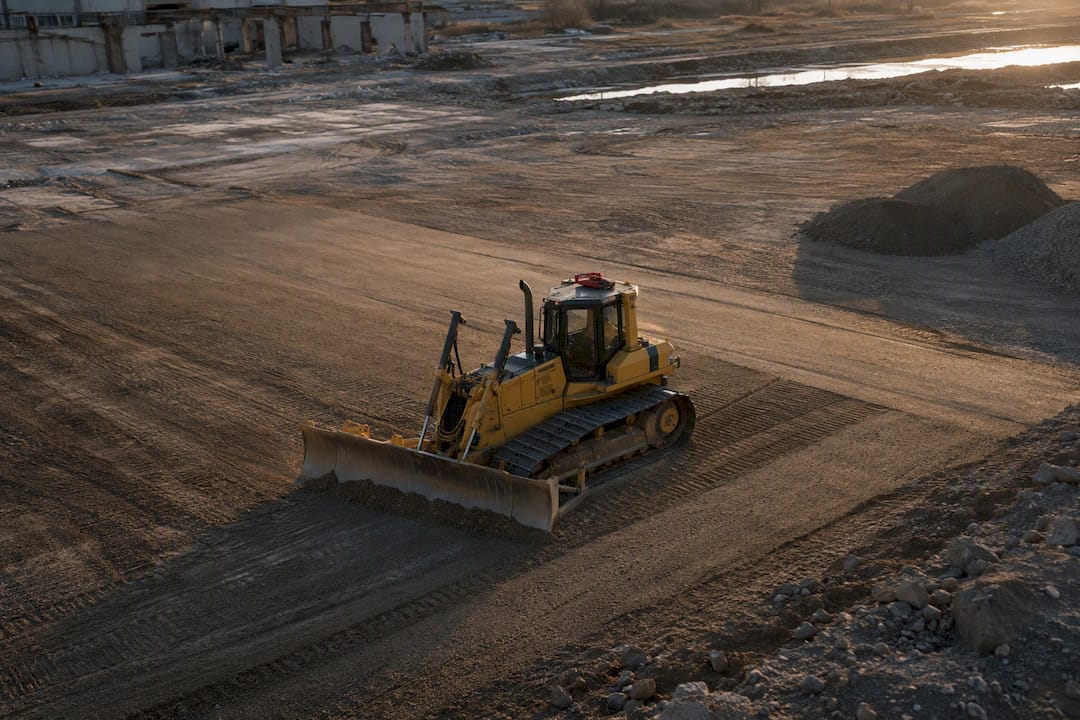
Environmental remediation is the wildcard. If contaminated soil turned up during demolition, or if a Phase I assessment flagged historical contamination on the parcel, restoration can mean soil removal and replacement, groundwater monitoring, or regulatory sign-off before the site is considered clean. That work can rival the demolition cost on older industrial sites with a long operating history.
Seeding, paving, or final grading to a specified elevation closes out the job. Buyers often assume restoration is bundled into demolition pricing. It frequently isn’t, so confirm exactly where “demolition” ends and “restoration” begins in the scope of work before you sign, and get it in writing rather than assuming both contractors mean the same thing by “site clean.”
Insurance, Bonds, and Liability on Demolition Projects
Demolition carries liability exposure that most construction work doesn’t, because you’re removing structural integrity from a building rather than adding it, and that changes what coverage actually matters.
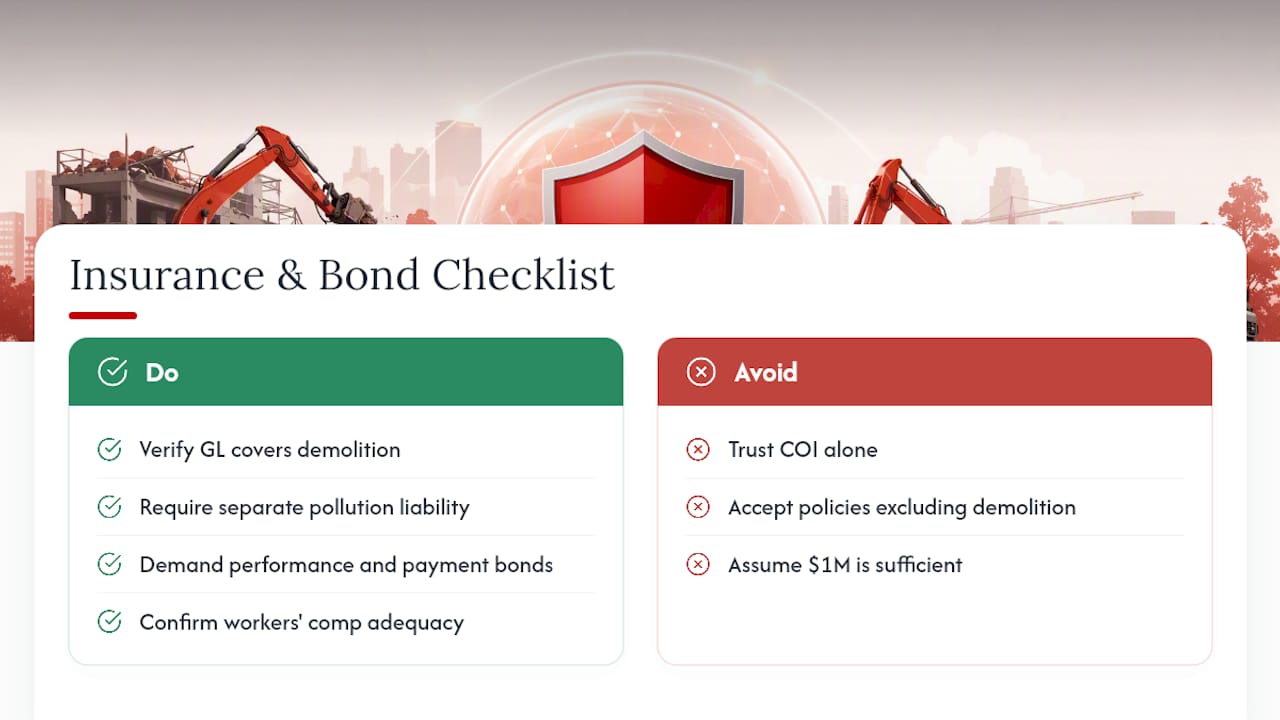
General liability insurance is the baseline, but confirm it specifically covers demolition operations, not just general construction, since some policies exclude or sublimit demolition-specific risk. Pollution liability matters just as much on any project touching asbestos, lead, or contaminated soil. Standard general liability often excludes pollution incidents entirely, leaving a gap that only a separate pollution liability policy closes.
Performance bonds and payment bonds protect you if a contractor fails to complete the work or fails to pay subcontractors and suppliers. On public infrastructure or larger industrial jobs, bonding is often a regulatory requirement, but even on private commercial work, a bond gives you real recourse if a contractor walks off a job partway through.
Workers’ compensation coverage deserves direct verification, not just a certificate on file. Demolition crews face higher injury rates than most construction trades, and a contractor with inadequate workers’ comp coverage is a liability that transfers to you if something goes wrong on your property.
Ask every bidder for current certificates of insurance naming your organization as an additional insured, and confirm coverage limits actually match your project’s scale. A $1 million policy on a multi-million-dollar industrial decommissioning job isn’t a safety net. It’s a formality.
How to Evaluate and Select a Demolition Contractor
Picking a demolition contractor on price alone is how procurement teams end up with change orders. The right evaluation weighs certifications, equipment, and track record together, because any one of those alone can hide a problem the other two would catch.
Certifications come first. OSHA compliance and asbestos abatement credentials aren’t optional paperwork on any project touching hazardous materials. They’re the difference between a contractor who can legally handle abatement in-house and one who has to subcontract it, adding a markup and a coordination risk you didn’t ask for.
Equipment fleet depth matters more than most buyers realize. A contractor who owns cranes, excavators, and hauling trucks outright can often mobilize faster and price more predictably than one who has to rent or sub out heavy equipment for your specific job. Ask directly what’s owned versus rented.
Track record on comparable work beats a generic reference list. A contractor with strong residential demolition references but no marine or industrial decommissioning history is a different risk profile than one who’s run power plant teardowns before. Match the reference projects to your project type, not just to the contractor’s overall reputation.
Finally, weigh responsiveness during the bid process itself. A contractor who answers scope questions clearly and flags risks proactively during bidding usually manages the job the same way once work starts.
Why Do Demolition Costs Fluctuate Year to Year?
Demolition pricing doesn’t sit still, and the reasons are mostly outside any single contractor’s control. Steel and scrap markets swing disposal economics in both directions. When scrap steel prices rise, salvage credits can meaningfully offset your net cost. When they fall, that offset disappears and total disposal cost climbs.
Fuel and transportation costs directly hit mobilization and hauling, two of the largest line items on any large-scale demolition job. A spike in diesel prices doesn’t just raise your contractor’s operating cost. It raises the mobilization day-rate you’re quoted for cranes, barges, and heavy hauling equipment.
Labor availability for specialized trades, particularly certified asbestos abatement workers and licensed equipment operators, creates its own pricing pressure. When demand for these credentialed trades outpaces supply in a region, day rates for supervision and specialized labor climb regardless of what the broader construction labor market is doing.
Landfill and TSDF capacity constraints add a quieter but real cost driver. As regional disposal facilities near capacity or face stricter environmental permitting, tipping fees rise, and contractors sometimes have to route waste farther away, adding transport cost on top of the disposal fee itself.
None of these factors are things a contractor invents to pad a bid. They’re market conditions that shift the baseline for every bidder in a region, which is exactly why comparing a current quote against last year’s project cost, without adjusting for these swings, can be misleading.
Cornelius Wrecking’s Perspective on Cost Transparency
Most cost overruns on demolition projects trace back to one root cause: an estimate that hid its assumptions instead of stating them. Cornelius Wrecking works from St. Joseph, Missouri, but takes on specialized demolition, decommissioning, and excavating projects nationwide, including power plant teardowns and marine vessel dismantling, exactly the project types where vague assumptions become expensive surprises.
Holding OSHA and asbestos abatement certifications isn’t a marketing line. It’s what lets a contractor handle hazardous materials in-house instead of subcontracting abatement to a third party and adding a coordination markup you never asked for. On complex industrial and marine jobs, that difference alone often separates a bid that holds up from one that doesn’t.
The lesson for buyers: press every bidder for the same transparency, whether or not they’re built to give it.
— Zach
Request a Site Inspection and AFE From Cornelius Wrecking
A contractor handles residential, commercial, and industrial demolition, along with power plant decommissioning, marine vessel dismantling, and site excavation, sometimes backed by certifications that let hazardous materials get handled directly rather than farmed out to a third party. That certification stack matters most on exactly the projects covered in this guide: hazardous abatement, complex industrial teardowns, and marine decommissioning where a subcontracted abatement step adds cost and coordination risk you don’t need.
If you’re building an RFP or trying to get a bid you can actually trust, the first move is a site inspection, not a phone quote. Request a site review and AFE-style estimate from Cornelius Wrecking and get a cost breakdown built on documented assumptions instead of guesswork.
Sources
Planning a demolition or excavating project?
Get a fast, no-obligation quote from Cornelius Wrecking.
Request a Quote